


Everything You Need to Know About Serangan Surf

The Ultimate Guide to Serangan Surf
If you’ve spent any time surfing Bali’s west coast, you’ll know how wind can shut things down fast.
When Kuta gets blown out and Uluwatu turns messy, there’s one name that starts circulating in group chats and car parks: Serangan.
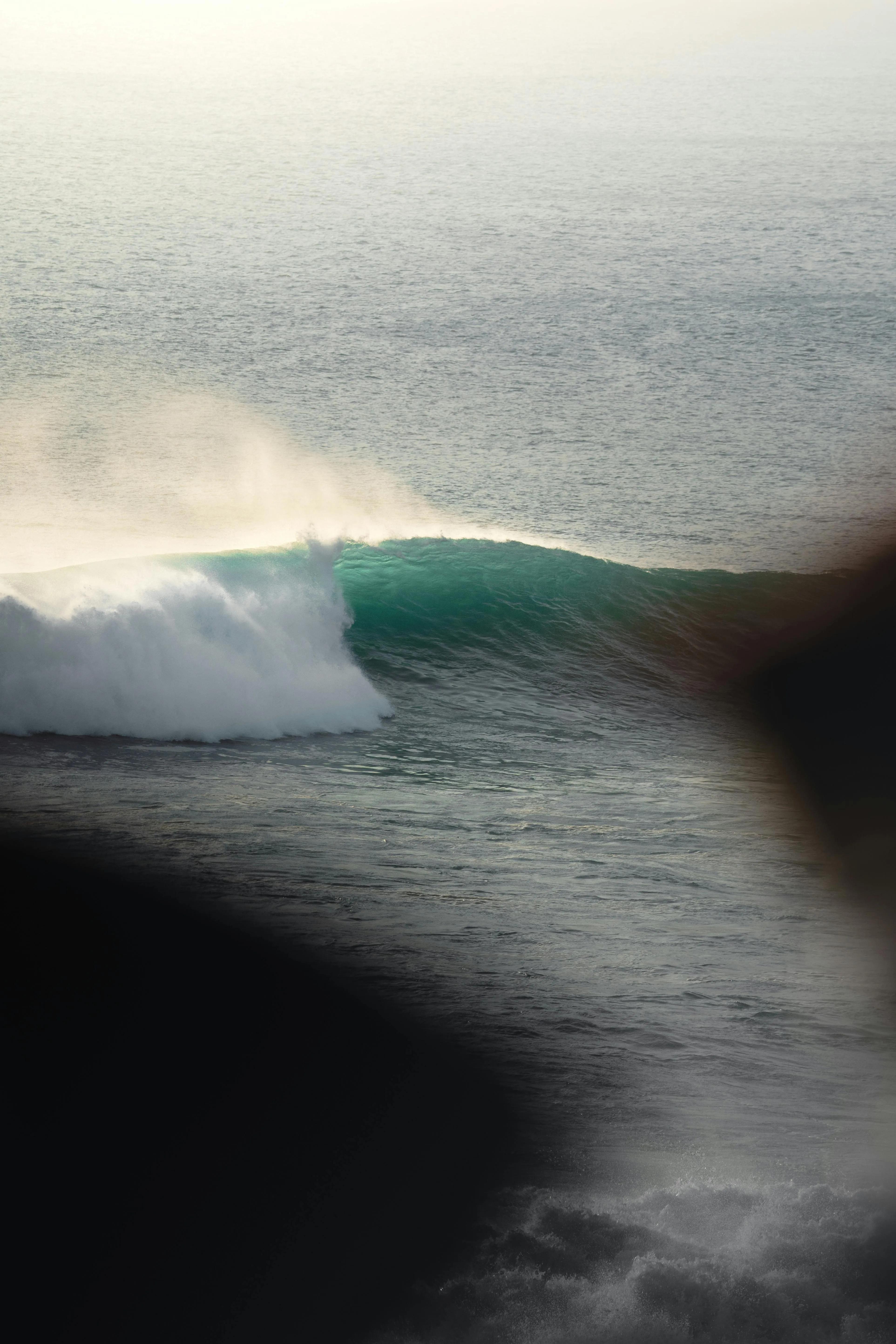
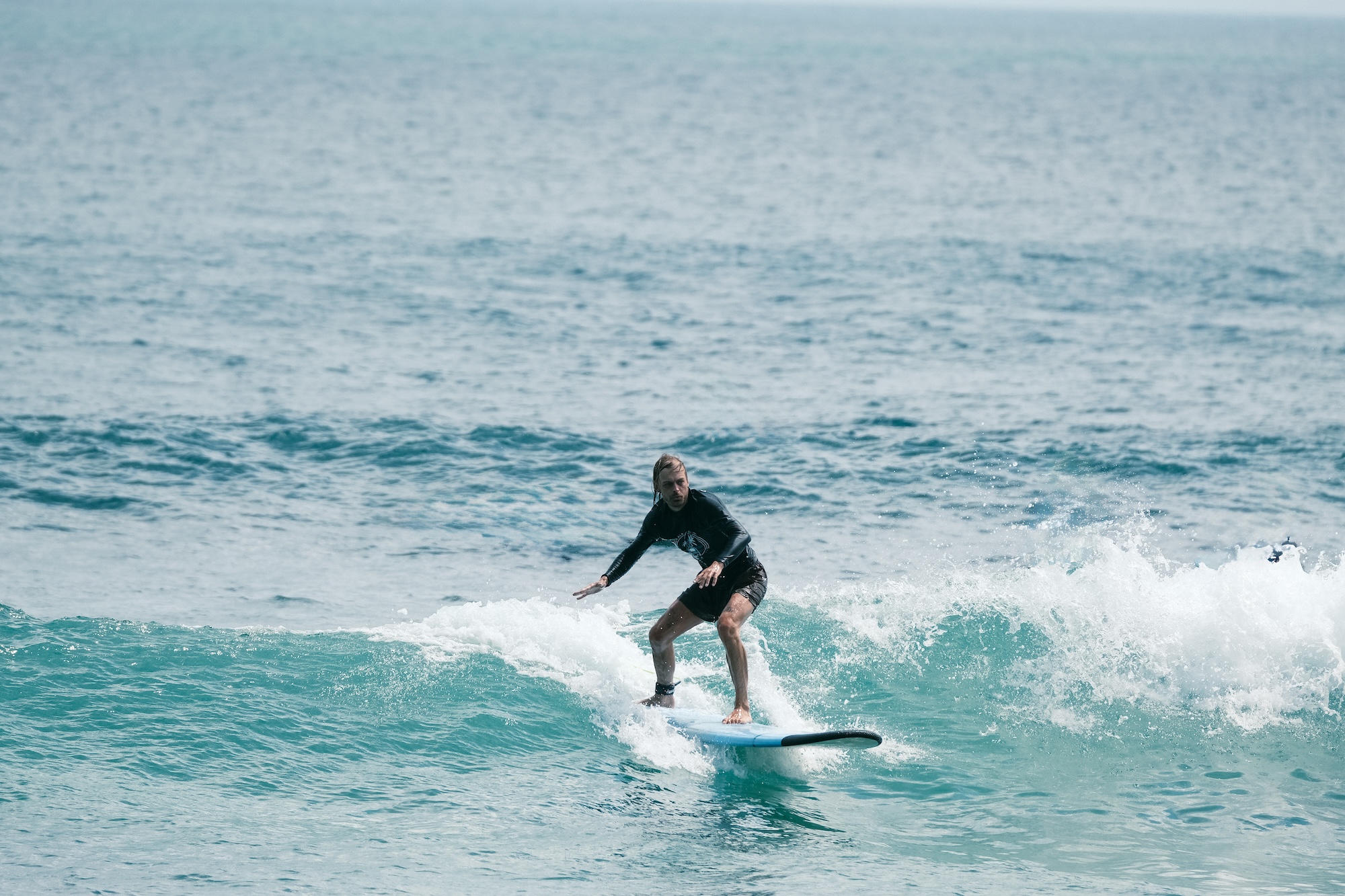
Serangan surf is Bali’s east coast safety valve. When the trade winds kick in and the west side gets bumpy, this stretch of reef can light up with clean, groomed walls.
It’s not as photogenic as some cliff-backed breaks. It’s not as famous as Uluwatu. But when it’s on, it delivers.
Here’s everything you need to know before paddling out.
Where is Serangan?
Serangan sits just off Bali’s southeast coast near Sanur, connected to the mainland by a bridge. It used to be a separate island, but reclamation projects turned it into a peninsula.
From central Bali it’s an easy drive. That accessibility is part of why it’s popular with local surfers. When conditions switch, you can be checking the lineup within the hour.
The wave breaks offshore over reef, so you won’t just stroll out from the sand. But access is straightforward. And that’s one of its strengths.
That said, here’s the lowdown on what it’s like to surf a reef break in Bali.
What kind of wave is Serangan?
Serangan is a reef break that offers both lefts and rights, depending on where you sit in the lineup. It’s often described as playful and punchy, but that doesn’t mean it’s soft.
On the right swell, it serves up:
- Clean walls with good push
- Occasional hollow sections
- Multiple peaks spread across the reef
It’s not usually a single takeoff zone. Instead, you’ll find different sections breaking along the reef, which helps spread surfers out a bit.
When it’s small, it’s fun and approachable. When it’s solid, it can get kinda heavy.
If that’s the case, you probably want to make sure your surf fitness is up to scratch!
Tides and timing
Like most reef breaks in Bali, Serangan is tide sensitive.
Mid tide is generally the sweet spot. There’s enough water over the reef to keep things manageable, but not so much that the wave loses shape.
At low tide, it can get shallow and fast. You’ll want to know where the deeper channels are, especially on bigger days.
On high tide, the wave tends to fatten out and can almost disappear unless the swell is very big.
It’s worth checking the lineup at different stages if you’ve got time. The wave can change personality over a few hours.
How to access the wave
Let’s clear this up… you are not paddling out to Serangan unless you are an absolute beast and have 1–2 hours to spare.
For 99% of surfers, Serangan is only accessible by boat. The paddle is long, exposed, and just not worth it when there are easy boat options.
You can organise a boat from two main spots:
- Mertasari Beach: https://maps.app.goo.gl/KcS4tbg7TbDc97vG7
- Bharajaya Watersport: https://maps.app.goo.gl/dcvX9Aj2v9mNbYB59
From Mertasari Beach, it’s usually around 200k IDR return (about 100k each way). From Bharajaya Watersport in the Benoa area, it’s closer to 300k IDR, so slightly more expensive.
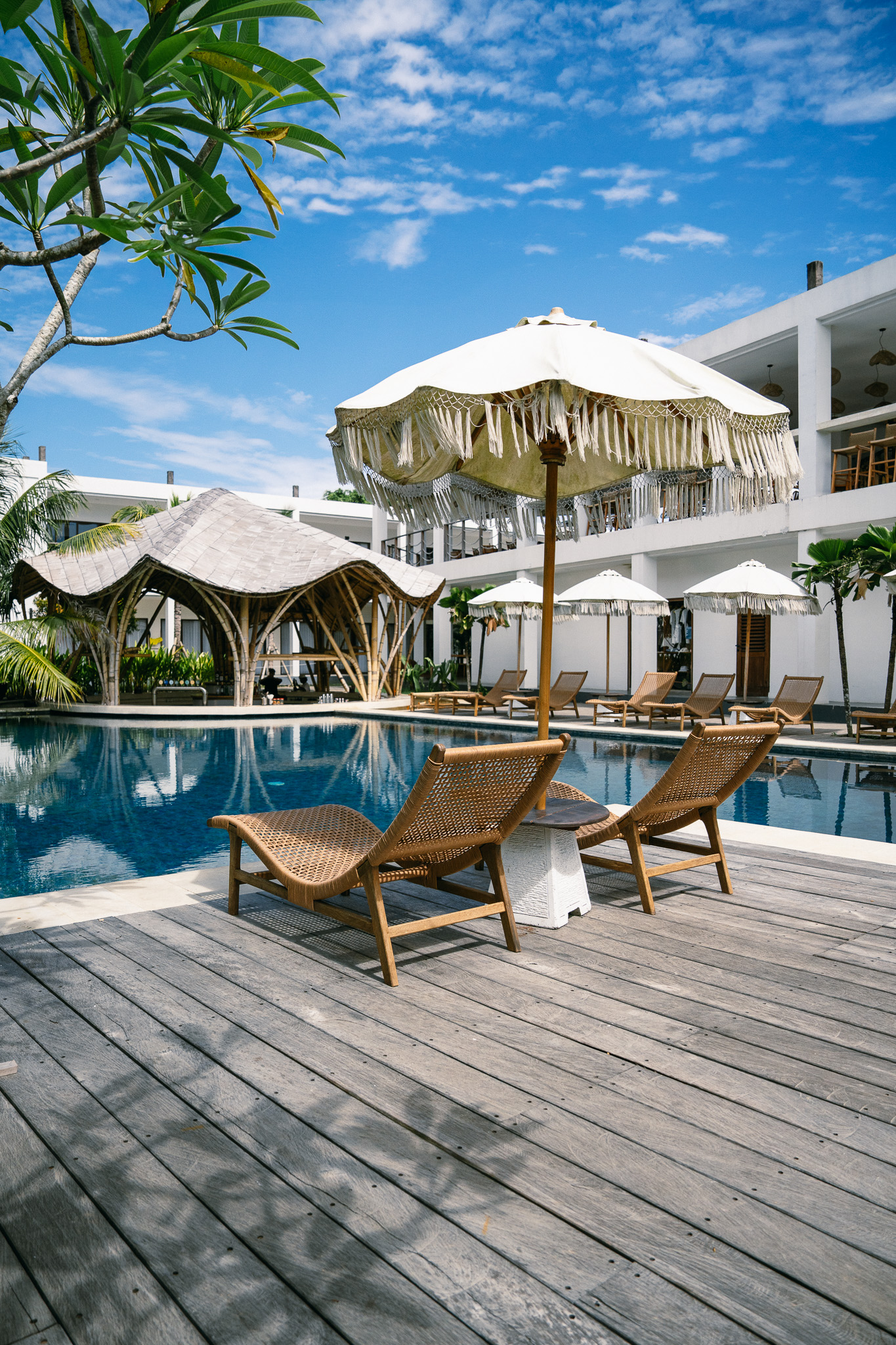
This is also why staying at Kala Surf Camp is such a good setup. We regularly head out to Serangan with our own surf boat, making it way easier and more efficient to score the wave.
Who Serangan is best for
Serangan sits in that sweet spot between approachable and challenging.
On smaller days, confident intermediate surfers will feel comfortable. The wave offers room to move and you’re not dealing with constant closeouts.
On bigger days, it’s better suited to experienced surfers. The takeoffs get steeper, the sections faster and the consequences more real.
If you’re brand new to reef breaks, this isn’t the best place to start. But if you’ve got a few solid seasons under your belt, Serangan can be a great place to level up.
To ensure you don’t get there and feel overwhelmed though, it’s best you brush up on the different surf seasons in Bali.
Ready to Surf in Bali? Secure Your Spot Now!
Crowds and local vibe
Serangan can get busy… especially when other spots aren’t working.
You’ll see a mix of:
- Local surfers
- Expats who know the wind patterns
- Travellers chasing cleaner conditions
Surf schools from Sanur and Uluwatu, which means plenty of beginners in the water unless it’s bigger than head high
The vibe is generally good, but like anywhere in Bali, respect goes a long way. Don’t snake. Don’t paddle around people. And if someone’s clearly been waiting for a set, give them their turn.
When it’s good, everyone knows it. Learn more about surf etiquette before you go.
Board choice and conditions
Serangan is versatile. On head-high days, your regular shortboard will do the job. When the swell jumps, you might want a little extra foam under your chest for paddle power.
It’s not usually a step-up-only kind of wave. But if it’s pushing double overhead, you’ll want something that holds a line. Most likely though you’ll be surfing somewhere that handles the size better.
Because it’s relatively close to shore, it can get a bit bumpy later in the day if winds shift. Early sessions are often the cleanest.
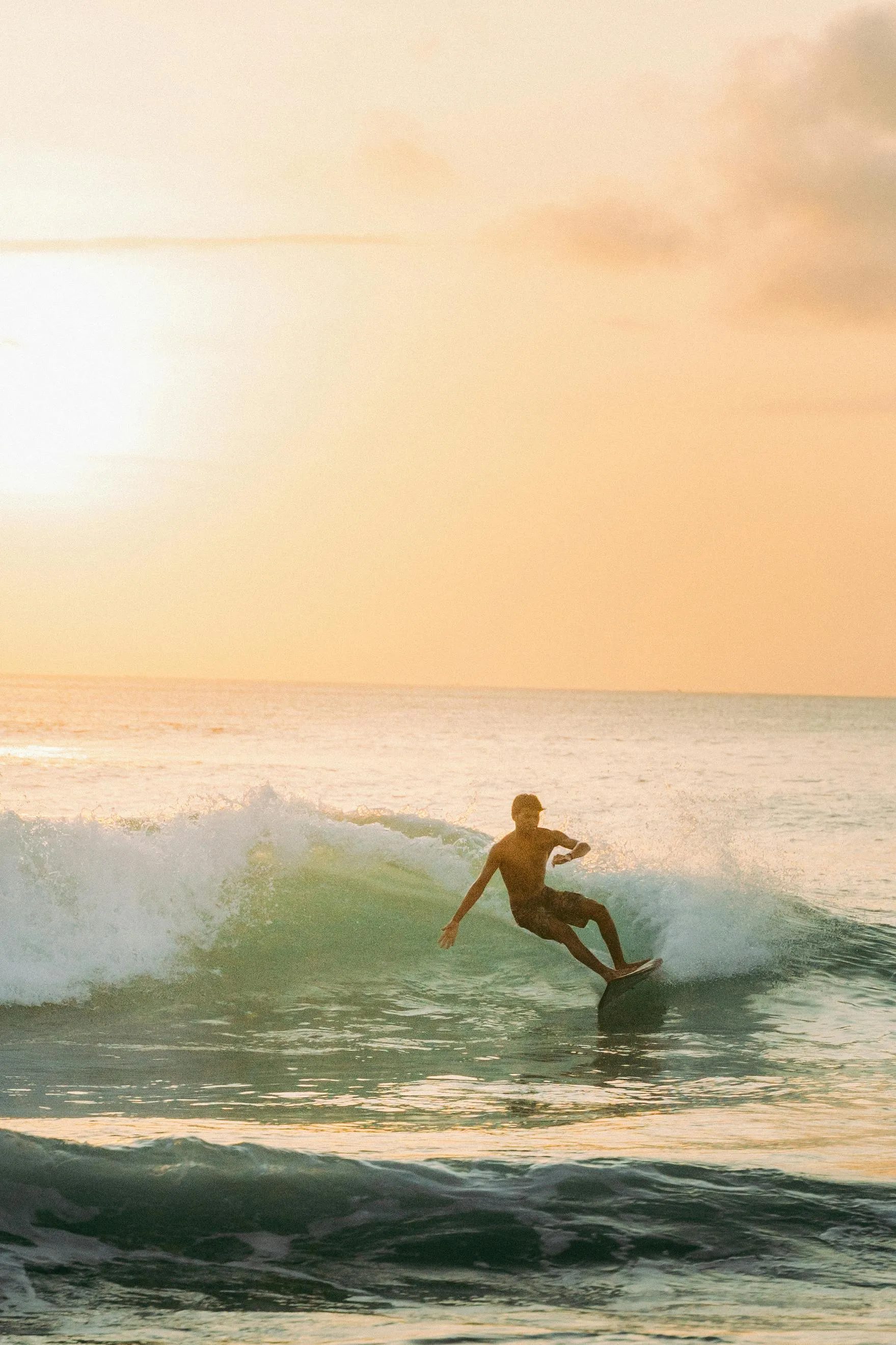
What makes Serangan different?
Serangan doesn’t have dramatic cliffs or a remote island feel. It’s not about scenery. It’s about getting wet and avoiding the crowds.
It’s the wave you surf when you’re serious about getting water time, not just photos. It’s the place locals head when they know it’ll be clean. It’s reliable without being boring.
There’s also something satisfying about surfing a spot that doesn’t rely on hype. When Serangan’s on, the lineup is full of surfers who genuinely want to be there.
We surf here often, and after 5–10 years living in the Uluwatu area, it’s one of those go-to spots we keep coming back to.
FAQ: Serangan Surf
Q. Is Serangan suitable for beginners?
Yes, on smaller days. Many surf schools come here when it’s mellow. But once it gets bigger, it’s better suited to intermediate surfers and above.
Q. What tide is best for Serangan?
Mid tide is usually the sweet spot, though it can work across a range depending on swell size.
Q. Does Serangan handle big swell?
Yes, but it gets heavier and more technical. It’s best left to experienced surfers when it’s solid.
Q. Is it crowded?
It can be, especially when west coast spots are blown out.
Q. How long is the paddle?
Don’t paddle. This is a boat-access-only wave for most surfers.
Q. What board should I ride?
Your standard shortboard works most days. On a bigger day, consider a step-up.
Q. Does it work year-round?
It’s most consistent during the wet season when trade winds favour the east coast.
Q. Is there a defined take-off spot?
There are multiple peaks along the reef, which helps spread surfers out.
Q. Is Serangan worth checking if other spots are flat?
Yes. It often picks up enough swell to offer rideable waves when other breaks struggle.
Final thoughts
Serangan isn’t Bali’s most famous wave. But it might be one of its most underrated.
When the wind shifts and your usual spots aren’t cooperating, this east coast reef often delivers. It’s consistent, accessible and serious enough to keep you sharp without feeling intimidating every single day.
If you’re spending time in Bali and want to surf as much as possible, not just when conditions are perfect, keep Serangan in your rotation. Chances are you’ll be able to score it with not so many people in the lineup.
More blogs you might like
FAQs
Find answers to your last-minute questions about your upcoming surf adventure with us.
Our packages include accommodation, daily surf lessons, and access to all camp facilities. We also provide surf gear for your convenience. Additional activities can be booked separately.
Travel insurance is highly recommended to cover any unexpected events. It can protect you against cancellations, medical emergencies, and lost belongings. Please check with your provider for specific coverage.
Booking is simple! Visit our Packages & Prices page to select your desired package. You can complete your reservation online or contact us for assistance.
Kala Surf Camp is located in the heart of Bali, close to the best surf spots. Our camp offers a peaceful environment while being just a short distance from vibrant local culture. You'll enjoy easy access to both surf and relaxation.
Yes, date changes can be made depending on availability. Please contact our support team as soon as possible to discuss your options. We aim to accommodate your needs whenever we can.