


The Discovery and History of Surfing Uluwatu

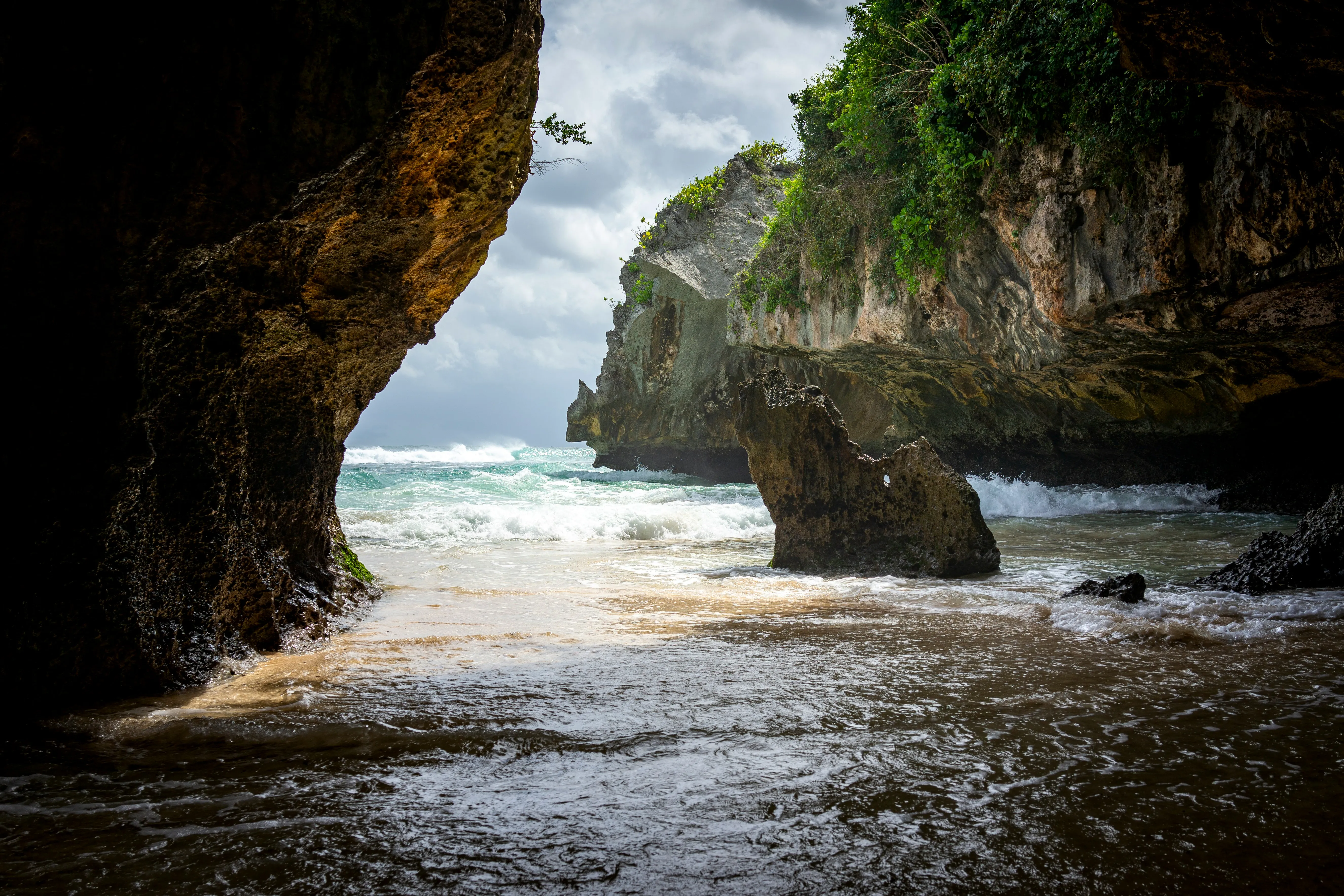
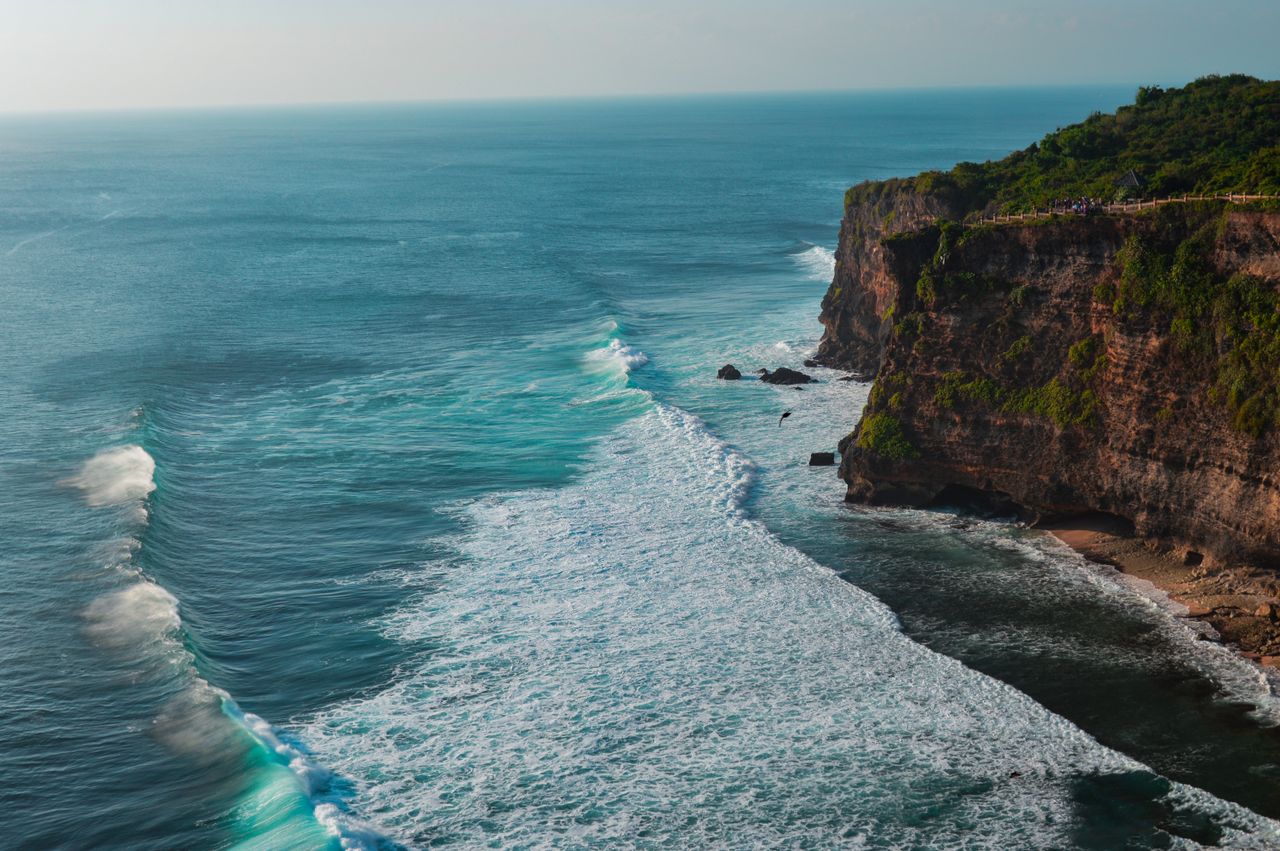
Stand at the top of the cliff at Uluwatu and look down. The temple behind you, the cave below, the lines marching across the reef. It's one of the great sights in all of surfing. Enough to bring a tear to the eye of any salty surf nerd.
And you know what? Not bragging, but we get to call this place home.
Our camp sits just up the road. Surfing Uluwatu isn't a bucket list tick for us, it's a Tuesday. The wave you're reading about is the one our coaches grew up on, and they've spent their lives learning to read every section of it.
So this is both halves of the place. The story of how a quiet cliff at the end of the island became one of the most famous waves on earth. And everything you need to surf it properly when you get here: the five sections, the tides, the seasons, and the honest answer on whether you're ready for it.
A wave at the end of the land
The name tells you where you are.
Uluwatu comes from ulu, meaning land's end, and watu, meaning rock. It sits on the south-western tip of the Bukit Peninsula, where Bali drops straight into the Indian Ocean.
That geography is the whole reason the wave works. There's nothing between this reef and Antarctica. Southwest groundswells travel thousands of miles of open ocean, arrive with no continental shelf to slow them down, and hit a limestone reef that bends them into shape. It is the definition of a swell magnet. Uluwatu doesn't make the swell. It just happens to sit exactly where the swell arrives.
Above the wave stands Pura Luhur Uluwatu, one of Bali's nine directional temples. It’s perched about 70 metres up the limestone cliff.
Locals believe it guards the island against evil. There's a story that in the 17th century, a band of Hindu priests threw themselves from the temple walls into the sea rather than be captured by invading Javanese. Intense.
Long before anyone surfed here, this was sacred ground.
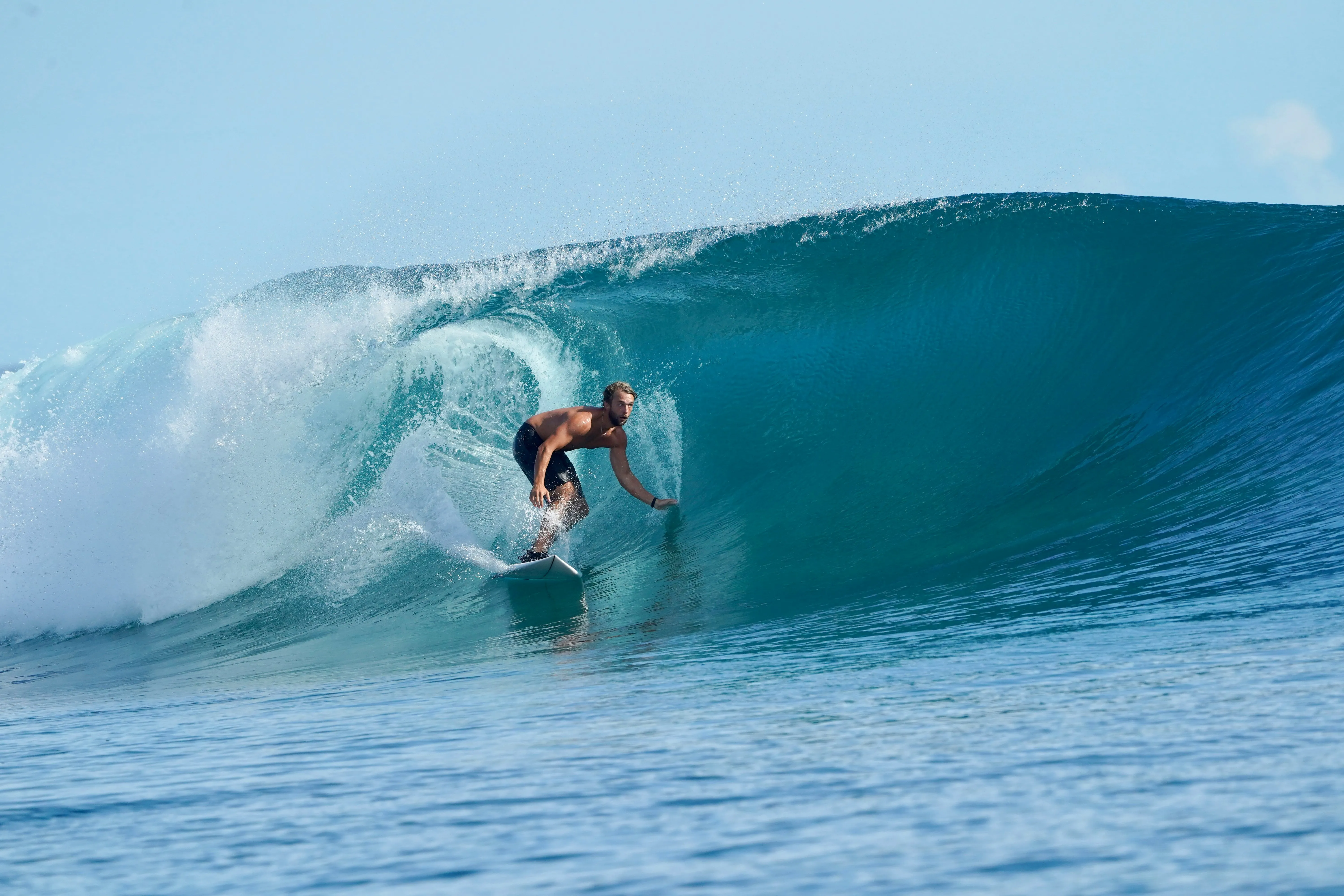
The film that changed everything
Most people don't know this. For all its mystique, Uluwatu wasn't surfed until surprisingly recently. Surfers had been riding Kuta's beach breaks for years. The Bukit, twenty miles south, may as well have been another country.
In 1971 Australian filmmaker Alby Falzon was shooting a surf film called Morning of the Earth.
The plan was to capture the waves around Kuta. But after a few days of filming there, the crew pushed south and found Uluwatu. There were no roads to the beach back then, so the only way in was on foot, carrying everything you needed down through the temple and out through the cave.
A 15-year-old named Steve Cooney surfed the first wave in Uluwatu's history. Falzon caught it on film.
When Morning of the Earth hit screens in February 1972, the footage spread fast. Surfers across the world saw those perfect cliff-fringed lefts and started planning pilgrimages. Hawaiian legend Gerry Lopez was among the first to make the trip.
Fifty years later, the road down to the temple is lined with construction, warungs old and new, beachclubs and board racks. All of it traces back to a few minutes of film.
The era of the cave and the legends
If you surfed Uluwatu in the early days, you earned it.
The cave was the only way in or out. You'd climb down a slippery bamboo ladder, paddle through the echoing, wave-lashed cavern and out across the reef into daylight.
Get the tide wrong on the way back and you'd be high-stepping over sharp, dry coral or caught in the rip that races along the base of the cliff toward Padang Padang. It wasn’t for the faint of heart.
By the mid-1980s the wave was already crowded and the trail in had only just been cut.
Before that, surfers hired local kids from Pecatu village to carry boards on their heads the two miles in. One of those board carriers features in a famous tale where a visiting surfer got so spooked by the big Outside Corner swell that he stayed out for five hours, too scared to come in across the drying reef. He earned the nickname Ironman from the kids watching on the cliff.
And that's the thing about Uluwatu. It's beautiful, but it has always demanded respect.
Ready to Surf in Bali? Secure Your Spot Now!
The five sections of Uluwatu
What looks like one wave is really five breaks strung along a single reef. Knowing which is which is half of surfing the place well. Our coaches have spent their lives reading these sections, and this is roughly how they'd walk you through it. From top to bottom:
- The Bombie:
Tide: mid to high · Size: 8ft and up · Level: advanced · Board: step-up or gun
Only breaks on big swells and is the outermost break on the reef and the one that snaps boards and leashes. On the biggest swells it can reach 10ft and beyond. It's a long paddle to a place where very few people are watching, which is exactly the problem when something goes wrong. If you have to ask whether you should be out there, you shouldn't.
- Temples:
Tide: mid-tide · Size: 4ft and up · Level: intermediate and up · Board: shortboard
Next in line, and it handles size when the swell picks up. It takes a real paddle to get out there, so it's less crowded than the Peak. That doesn't mean it's empty. There's a strong crew of locals and expats out there. Etiquette matters, and it matters more here because the wave is quick. Hesitate and you're in someone's way.
- Outside Corner:
Tide: mid to high · Size: 8ft and up · Level: advanced · Board: step-up
The big wave spot, and it sleeps most of the year. It only wakes up on the biggest swells with the right tide, when the swell bends off the kink in the reef and launches into a long, fast wall that can run 300 yards. When it's on, it's the best wave on the Bukit. When it's not, it's a lumpy nothing and you'd never guess what it's capable of. It's also where I have been hurt more than anywhere else on the reef, both surfing it and getting caught inside on the way out.
- The Peak:
Tide: works on all tides · Size: 3 to 6ft · Level: intermediate and up · Board: shortboard
Sits parallel to the cave, which makes it the entry and exit point and the most accessible section. Tubes and fast sections, and it holds shape right through the tide. It's also where everyone is, because it's where everyone starts. Your first session at Uluwatu happens here whether you planned it or not.
- Racetracks:
Tide: low · Size: 4 to 6ft · Level: advanced · Board: shortboard
Adequately named. It's exactly what it sounds like. You need to be able to get to your feet immediately and start pumping. It's the best part of Uluwatu to go barrel hunting, and low tide is also when there's the least water between you and the reef. Probably enough skin down there to create a whole person in a lab
Getting to the wave today
The bamboo ladder is long gone. These days you park up top, walk past the warungs, and take concrete stairs down through the gap in the cliff. It takes five minutes and costs you 5,000 rupiah for parking.
There are three places to leave the bike, and picking the right one matters more than you'd think:
- The main beach lot is the obvious one and the busiest. Fine in the morning. Around sunset it's a nightmare to get out of, so if you're surfing an evening session, park somewhere else and thank yourself later.
- Uluwatu Back Parking has become a lot more popular, especially with the construction going on in the ravine.
- The lot by The Istana is the one nobody uses. Most stairs by a distance, but it's a peaceful walk down with nobody in your way. If you don't mind the legs, it's the best of the three.
The cave itself hasn't changed at all.
You still paddle out through it, still get the echo and the surge, still time your entry between sets. That part is exactly what Falzon's crew walked into in 1971, and it's still the best entrance to any wave on earth.
Coming back in is the part that catches people.
The cave only works as an exit around mid to high tide. Drop below that and the reef in front of it dries out, and you're left with two bad options: pick your way across sharp, dry coral, or get pushed north by the rip that runs along the base of the cliff toward Padang Padang.
So check the tide before you paddle out, not after. Know what it's doing in two hours, not what it's doing now. Every surfer who's ever limped up those stairs bleeding got that sum wrong.
When it works
Uluwatu has fairly consistent surf year-round, but the dry season from around May to October is prime.
That's when the southeast trades blow offshore and the southwest groundswells line up cleanly. It's the same seasonal logic that governs the whole Bukit. We break down the month-by-month picture if you're planning a trip around it.
Frequently asked questions about Uluwatu
Q. When was Uluwatu first surfed?
In 1971 during the filming of Morning of the Earth, with the footage reaching the world when the film released in February 1972. Fifteen-year-old Steve Cooney is credited with riding the first documented wave there.
Q. Is Uluwatu good for beginners?
Not really. It's a reef break with strong currents and a tricky cave entry, so it suits intermediate and advanced surfers. If you're newer, it's worth being honest about where you sit as a surfer and starting on gentler waves nearby before paddling out at Ulu.
Q. How do you get to the wave?
Through the cave at the base of the cliff. These days there are stairs down from the cliff-top warungs, then you paddle out through the cave at The Peak. Timing the tide on your exit is the part that catches people out.
Q. What's the best time of year?
The dry season, roughly May to October, for the cleanest, most consistent conditions. The wet season still has waves but the winds get less reliable.
Q. Which section should I surf first?
The Peak, almost always. It's the most forgiving and accessible of the five. And it's right by the cave. Build up from there as your confidence grows.
The bottom line
Uluwatu is more than a wave. It's a temple, a cave, a cliff full of history and one of the spots that put Bali on the surfing map. We're lucky enough to surf it most days. Honestly… we never quite get over it.
If you want to ride the wave that started it all, come do it with people who know every section, every tide and every shortcut through the cave.
More blogs you might like
FAQs
Find answers to your last-minute questions about your upcoming surf adventure with us.
Our packages include accommodation, daily surf lessons, and access to all camp facilities. We also provide surf gear for your convenience. Additional activities can be booked separately.
Travel insurance is highly recommended to cover any unexpected events. It can protect you against cancellations, medical emergencies, and lost belongings. Please check with your provider for specific coverage.
Booking is simple! Visit our Packages & Prices page to select your desired package. You can complete your reservation online or contact us for assistance.
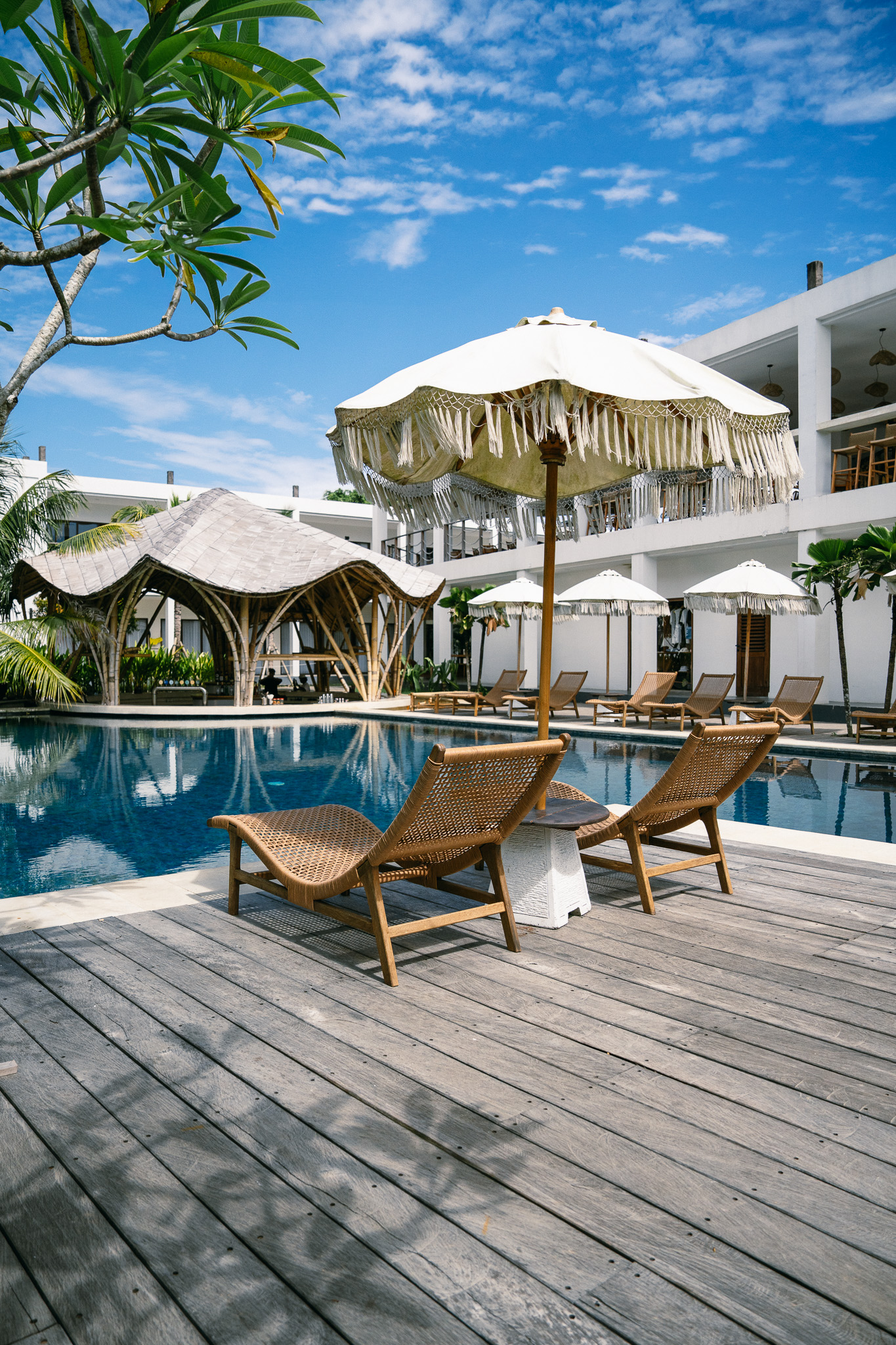
Kala Surf Camp is located in the heart of Bali, close to the best surf spots. Our camp offers a peaceful environment while being just a short distance from vibrant local culture. You'll enjoy easy access to both surf and relaxation.
Yes, date changes can be made depending on availability. Please contact our support team as soon as possible to discuss your options. We aim to accommodate your needs whenever we can.