


Ultimate Surf Guide to Nusa Dua

Ultimate Surf Guide to Nusa Dua
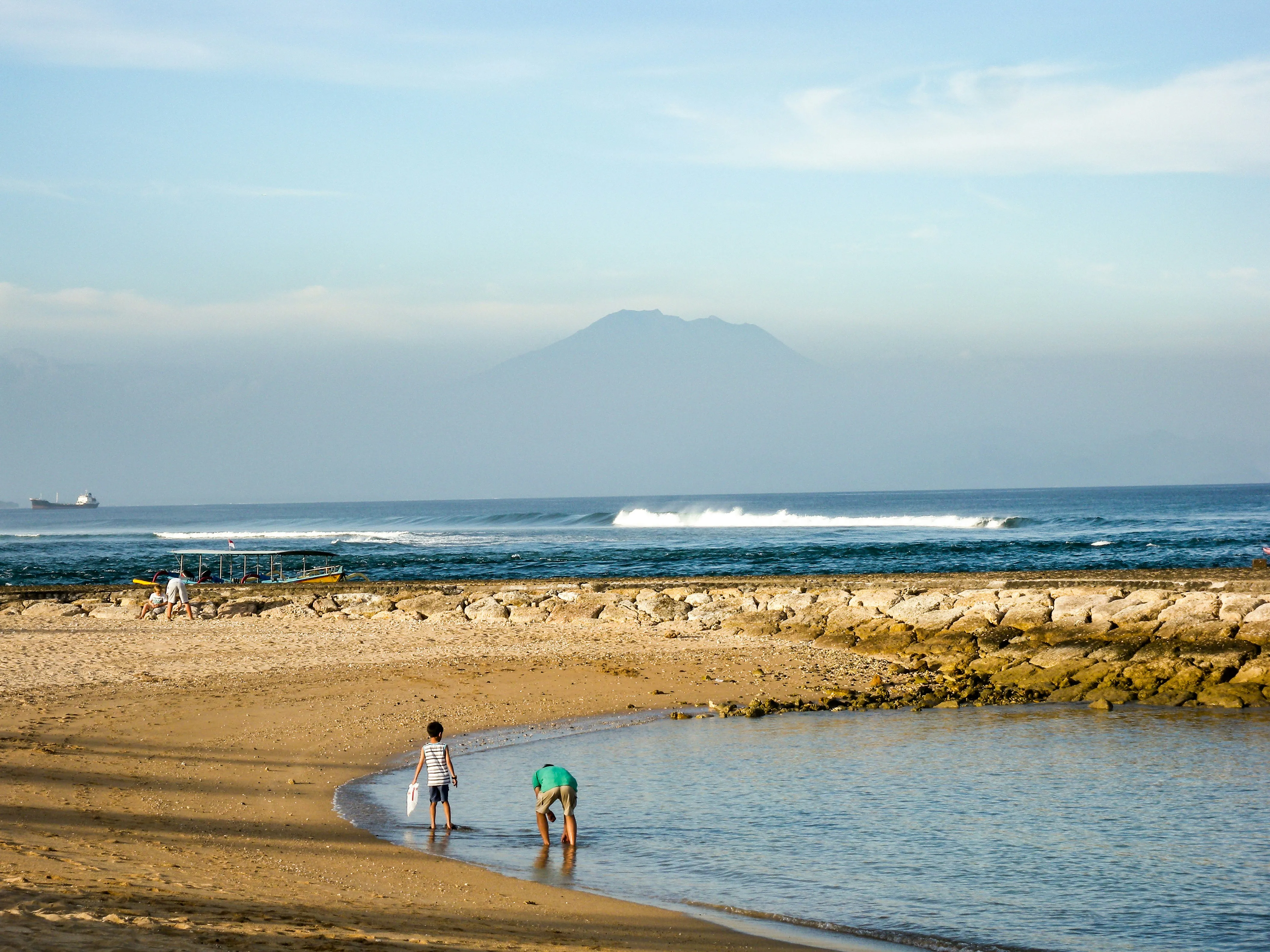
When people think of Nusa Dua, they picture manicured lawns, luxury resorts, infinity pools and perfectly raked white sand beach scenes.
It’s the polished side of Bali… the side built for honeymooners and conference delegates.
But just beyond the shoreline, past the calm lagoons and tide pools, is a completely different story.
Surf Nusa Dua Bali on the right day and you’ll find some of the heaviest, most powerful reef waves on the island. This is not a cruisy beachie destination. This is open-ocean energy wrapping into a deep reef system that turns big swell into serious tubes and super rippable walls.
If you’re planning on surfing Nusa Dua, here’s what you need to know.
Understanding the Nusa Dua setup
The Nusa Dua area sits on Bali’s east coast, facing the Indian Ocean and the Lombok Strait.
That positioning matters. It's not hammered by swell like the west coast of the Bukit and the southern coast of Bali. But it still cops heaps of long-period south and southeast swells.
It's not exposed per se, nor is it really sheltered. The reef sits offshore, creating a lineup accessed by a long paddle through a deep water channel. You won’t just stroll out from the sand.
Who Nusa Dua is for (and who it isn’t)
Let’s be clear. Surfing Nusa Dua is not the best for beginners. Instead, this zone is best suited to:
- Strong intermediate and advanced surfers
- Confident experienced surfers
- Surfers who are comfortable in heavy reef environments
On moderate days, confident intermediate surfers can enjoy the main waves, especially around mid-tide. But once the swell jumps, it becomes a break for advanced surfers only. If you’re not comfortable with:
- Sketchy, lurching takeoffs
- Relatively long hold downs
- Big ocean energy
These are the best beginner surf spots in Bali if that’s what you’re looking for.
Tides, swell and when it works
The Nusa Dua zone is all about timing. The waves behave differently across different tides. Knowing the window is crucial if you want to score.
Best tides
- Mid tide: Often the sweet spot for shape and power
- Mid to high tide: Safer and more forgiving
- Low tide: Can expose more reef and create tricky sections
On neap tides, when tidal movement is smaller, the window can feel longer. During spring tides, the change between low and high can shift conditions quickly.
Swell size and direction
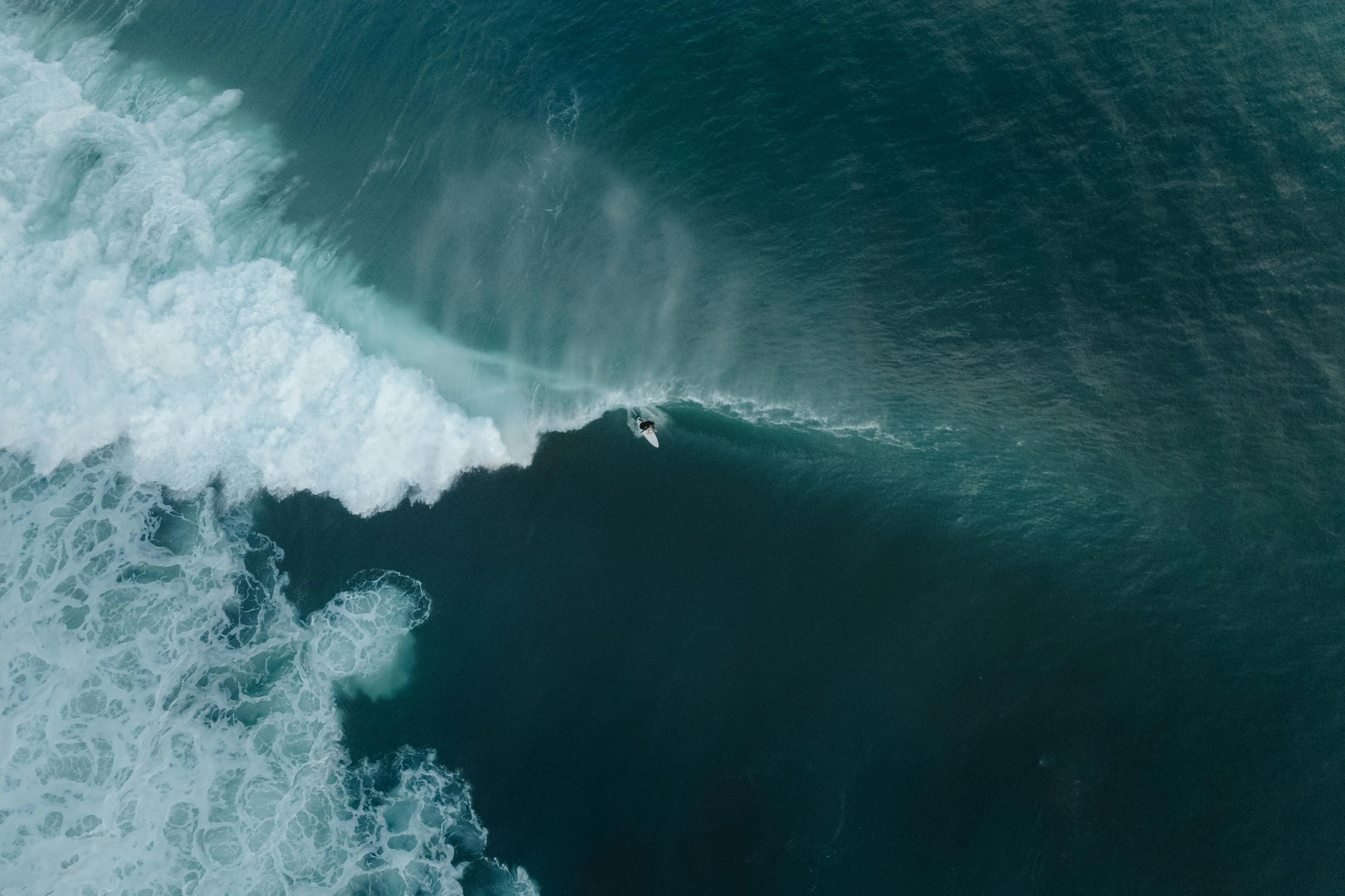
Because it’s full of exposed reefs, Nusa Dua needs decent swell to break properly. High-period swells from the south and southeast work best.
On smaller swells, the wave can feel soft or inconsistent. But when large swells hit the Indian Ocean, Nusa Dua turns on. It holds size better than many other Bali beachbreaks, but not as well as the outer reefs at Uluwatu.
Wind direction
Morning sessions are usually best. Early mornings often bring lighter winds before sea breezes kick in, but to be honest, you could say the same for all Bali surf spots.
The same winds that affect other east-coast breaks can impact Nusa Dua too, so watching forecasts matters. During the wet season or rainy season, wind patterns shift and some days can be cleaner here than on Bali’s west coast.
This means that Nusa Dua is a decent wet-season surf option.
Ready to Surf in Bali? Secure Your Spot Now!
Nusa Dua surf spots
Geger Beach
This is one of the most popular breaks in the area and is basically the main wave for Nusa Dua.
It sits just south of the main peak and still breaks over reef, with a proper paddle to get out, expect around 15–20 minutes depending on conditions.
- Works on small to moderate south or southeast swell
- Best on mid to high tide
- Less critical take-offs than the main peak
- Offers longer, more open faces rather than heavy barrels
- Can get crowded when the main break is too big
- Suitable for confident intermediates and above when it’s above +4ft on Surfline
Chickens
Chickens (also called Chicken Wings) sits at the end of the long Nusa Dua reef and is one of the more fun, underrated waves in the zone. It’s basically a continuation of Geger Right, but with a bit less intensity and more room to move.
This is a go-to when the wind swings west or northwest during wet season, offering long, playful right-handers that can run for hundreds of meters if you connect the sections properly.
- Works best on small to medium south or southeast swell
- Best on mid to high tide
- Long, connecting right-hand walls
- Less current than Geger, but still some movement
- Multiple peaks, with softer sections down the reef for intermediates
- Access is by boat from Mengiat Beach
- Can offer very long rides if you pick the right wave
- Suitable for intermediates and above
Mengiat
Mengiat sits slightly inside the reef system and can offer playful peaks when the swell isn’t maxing out the outer reef. It’s more tide-dependent and doesn’t break as consistently as the main peak.
- Works on moderate swell
- Prefers mid tide for best shape
- Mix of reef and sand influences
- Shorter walls and less power than the outer reef
- Can be less intimidating than the main peak
- Suits intermediates looking for something manageable
Mushroom Rock
Mushroom Rock is a distinct section of the outer reef that starts breaking properly once the swell has real push. It’s more exposed than the inside options but holds more size.
- Needs solid south or southeast groundswell
- Breaks further out on the reef line
- Long, powerful walls
- Can produce hollow sections on larger swells
- Stronger currents than inside breaks
- Best suited to experienced intermediate to advanced surfers
Mushroom Secrets
Mushroom Secrets is one of the more mellow options in the Nusa Dua zone and a good step down from the main reef.
It works under specific swell angles and tides, but when it’s on, it offers softer, more forgiving waves compared to the heavier outside sections. This makes it a popular option for less experienced surfers looking to surf the area without dealing with the intensity of the main peak.
Sri Lanka
Sri Lanka is one of the more powerful outer-reef sections and can serve up a nice barrel if you’re quick and know how to pump. It only really shows itself on larger swells and sits further offshore, fully exposed to open-ocean energy.
- Requires solid to large groundswells
- Breaks well outside on the reef
- Heavy, powerful take-offs
- Can produce long, hollow waves
- Strong currents and serious hold-down potential
- Surf schools do come out when it’s smaller than head high, so be aware of the crowd
- Suitable for intermediate surfers and above
Black Stone
Black Stone is another outer-reef variation that works under particular south-east swell angles. It’s not the most consistent wave in the zone, but when conditions align, it can deliver clean, workable faces.
- Needs the right swell direction to break properly
- Reef bottom
- Best on mid to high tide
- Can handle moderate to solid swell
- Usually less crowded due to its inconsistency
- Suited to experienced surfers who understand positioning on reef
FAQ: Nusa Dua surfing
Q. Is Nusa Dua good for beginner surfers?
Yes, it can be on smaller days. But we highly recommend going with a surf school or guide, as it’s still a reef and conditions can change quickly.
Q. What tide is best for Nusa Dua surf?
Mid to high tide is generally the safest and most workable window.
Q. Does Nusa Dua handle big swell?
Yes. It’s known for holding double overhead conditions. Make sure you know which board is best for your skill level before you head out.
Q. How do I access the main peak?
From Nusa Dua Beach near the northern end followed by a paddle through the deep water channel.
Q. Is the reef dangerous?
Yes. There are shallow sections and sea urchins, especially at lower tides.
Q. Does it work in the wet season?
Yes. Wind direction during the rainy season can still offer clean sessions.
Q. Is Nusa Dua crowded?
It attracts committed surfers, but it’s rarely as packed as some West Coast breaks.
Q. Are there smaller waves nearby?
Geger Beach and Mengiat Beach can offer more user-friendly options on moderate swell.
Q. How long is the paddle?
Expect around 10–20 minutes for most spots, depending on conditions. You can also take a boat to Chickens or Geger if you park further down the beach in front of Mengiat Beach.
Q. Is it worth surfing if I’m staying in a resort?
Absolutely... if you’re confident in reef breaks and solid surf.
Final thoughts
Nusa Dua doesn’t look like a heavy surf zone at first glance. The beach is calm. The sand is clean. The hotels are immaculate. But just beyond the lagoon lies one of Bali’s most powerful reef setups.
Nusa Dua can handle serious size, especially out at Geger, but it’s also one of the more versatile zones in Bali. During the rainy season, it becomes a go-to for surf schools and beginners when conditions are smaller and cleaner.
If you’ve got the skill, the confidence, and the patience to wait for the right swell, Nusa Dua can deliver high-quality waves with serious size and shape. Hit up our surf camp first for coaching and surf skate training. We’ll get you sorted and ready to tackle those bigger days at Nusa Dua.
More blogs you might like
FAQs
Find answers to your last-minute questions about your upcoming surf adventure with us.
Our packages include accommodation, daily surf lessons, and access to all camp facilities. We also provide surf gear for your convenience. Additional activities can be booked separately.
Travel insurance is highly recommended to cover any unexpected events. It can protect you against cancellations, medical emergencies, and lost belongings. Please check with your provider for specific coverage.
Booking is simple! Visit our Packages & Prices page to select your desired package. You can complete your reservation online or contact us for assistance.
Kala Surf Camp is located in the heart of Bali, close to the best surf spots. Our camp offers a peaceful environment while being just a short distance from vibrant local culture. You'll enjoy easy access to both surf and relaxation.
Yes, date changes can be made depending on availability. Please contact our support team as soon as possible to discuss your options. We aim to accommodate your needs whenever we can.